Projects

Indigenous Entrepreneurship

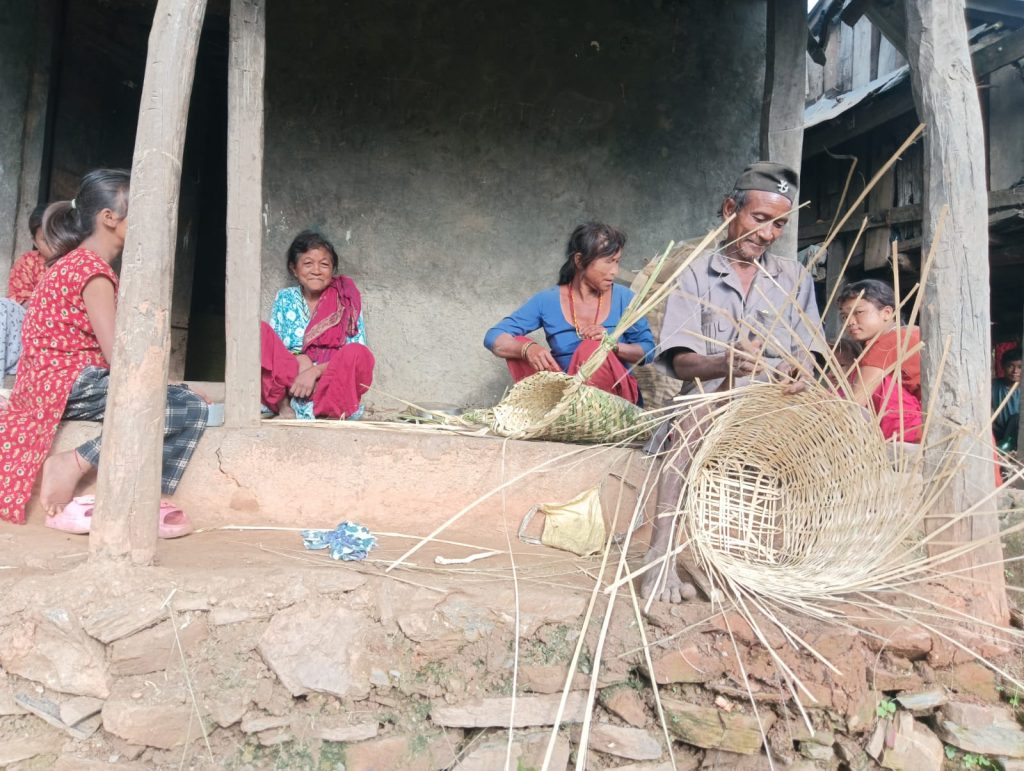
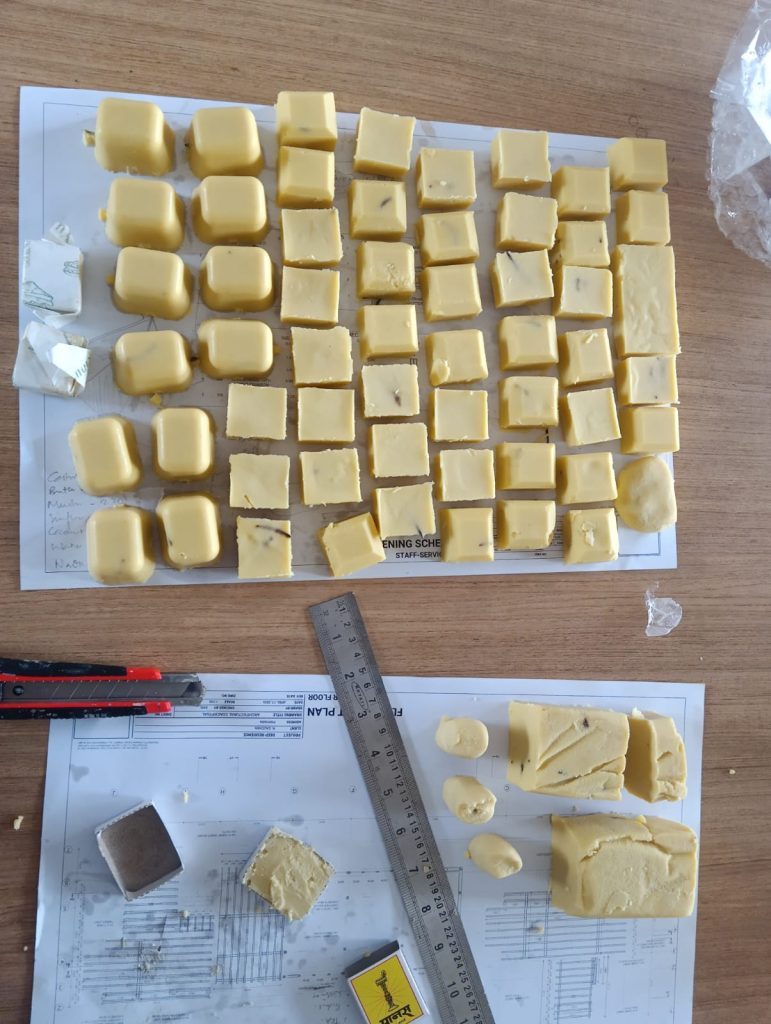
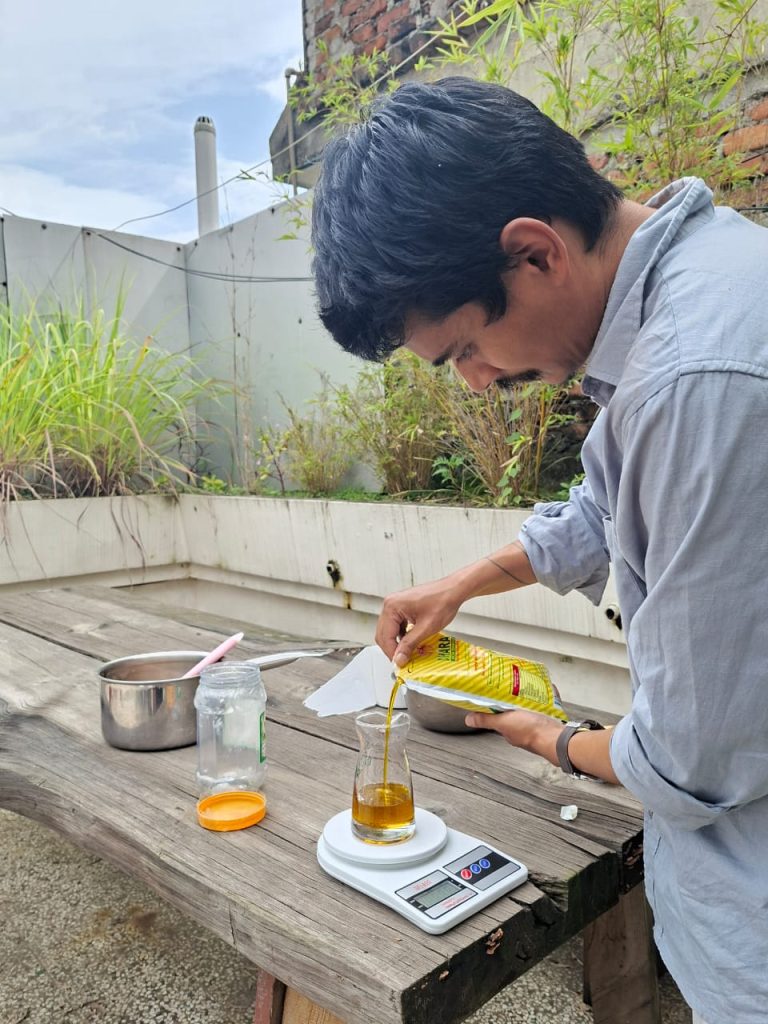
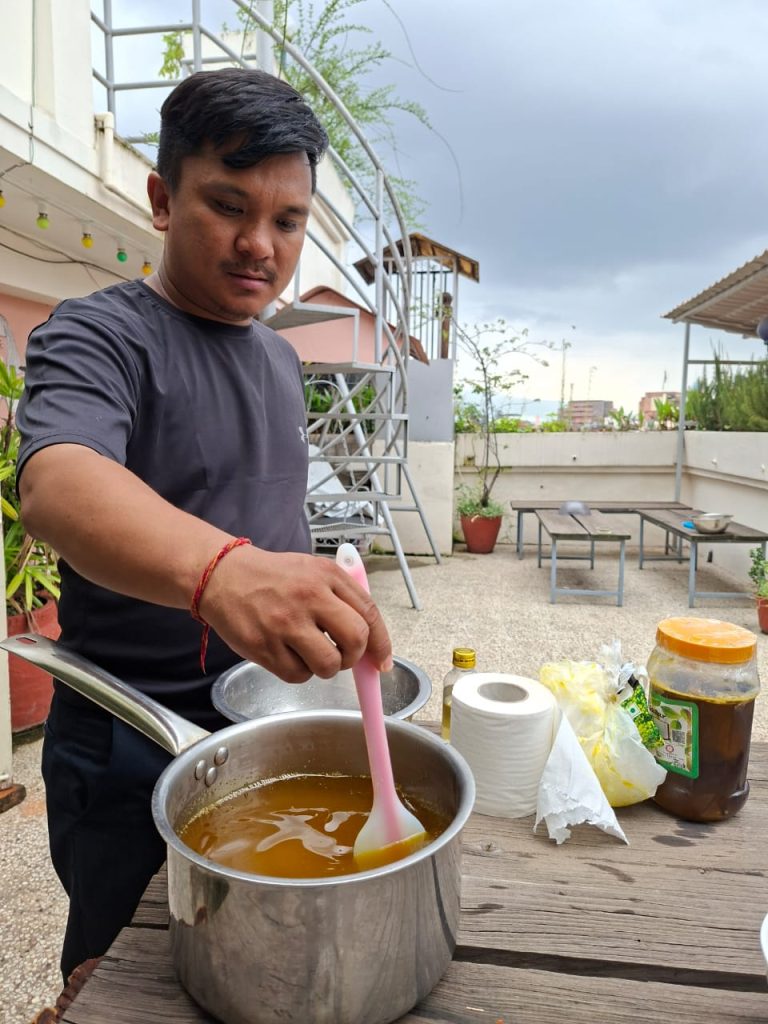
IIAD promotes Indigenous entrepreneurship by supporting community-led enterprises that are rooted in Indigenous knowledge, cultural heritage, and sustainable use of natural resources. We work with Indigenous women, youth, and local producers to strengthen value chains, improve market access, and develop culturally appropriate businesses that create sustainable livelihoods while preserving traditional knowledge, biodiversity, and community resilience.

Indigenous entrepreneurship is vital for strengthening community self-reliance, creating dignified livelihoods, and ensuring that the economic benefits derived from Indigenous knowledge and natural resources remain within Indigenous communities. It empowers Indigenous Peoples to preserve and innovate their traditional skills, adds value to culturally significant products, and creates opportunities for women and youth while reducing poverty and outmigration. 

Chepang Indigenous Knowledge Center

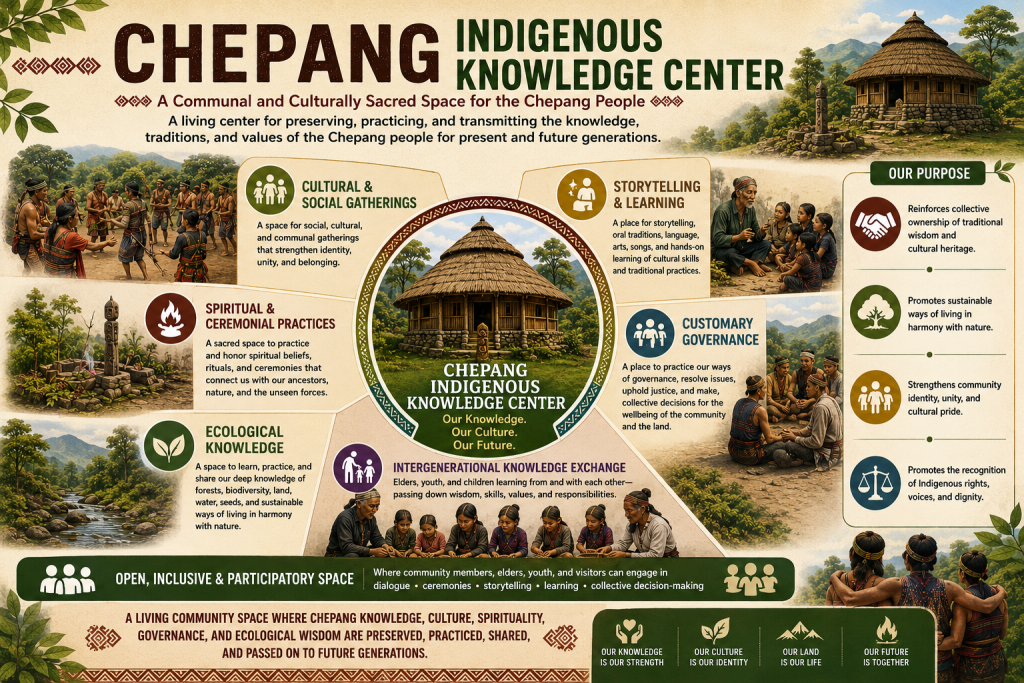
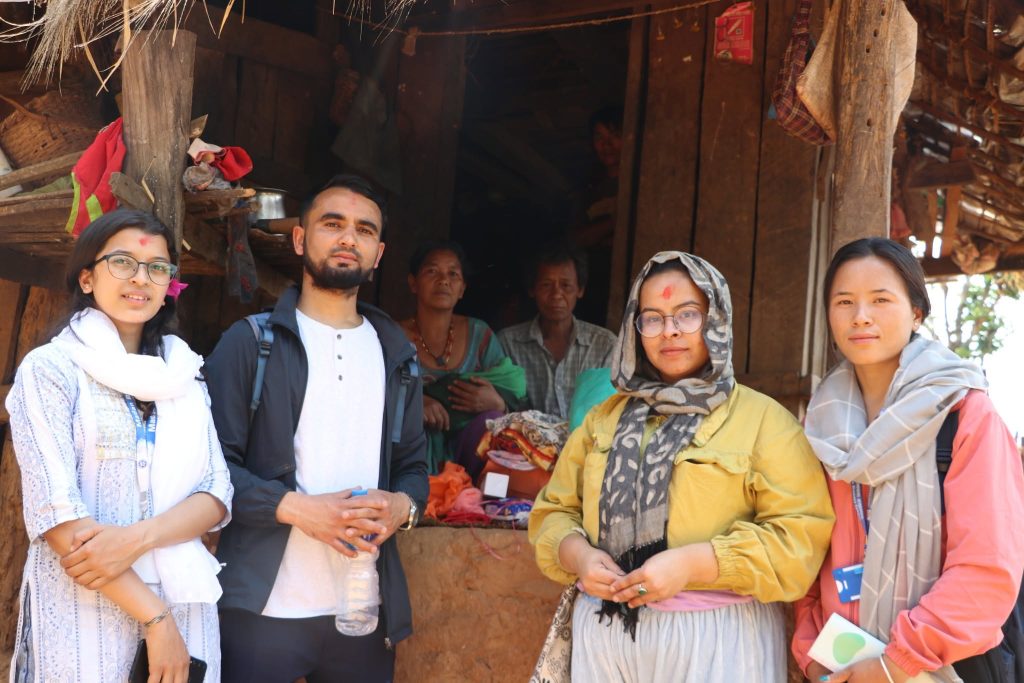
The Chepang Indigenous Knowledge Center is a community-led learning and cultural hub established to preserve, revitalize, and promote the rich knowledge, traditions, and identity of the Chepang Indigenous Peoples of Nepal. Managed by the Chepang community with support from partners, the Center serves as a space for documenting Indigenous ecological knowledge, oral histories, language, customary governance, rituals, shamanic practices, traditional livelihoods, and cultural heritage while fostering intergenerational knowledge transfer between elders and youth. It also provides a platform for community research, policy dialogue, cultural exchange, capacity building, and collaboration with researchers, students, and development practitioners. The Center contributes to safeguarding Chepang biocultural heritage, advancing Indigenous self-determination, and inspiring future generations to value and carry forward their ancestral wisdom.

Birthday Forest Campaign

BIRTHDAY FOREST CAMPAIGN

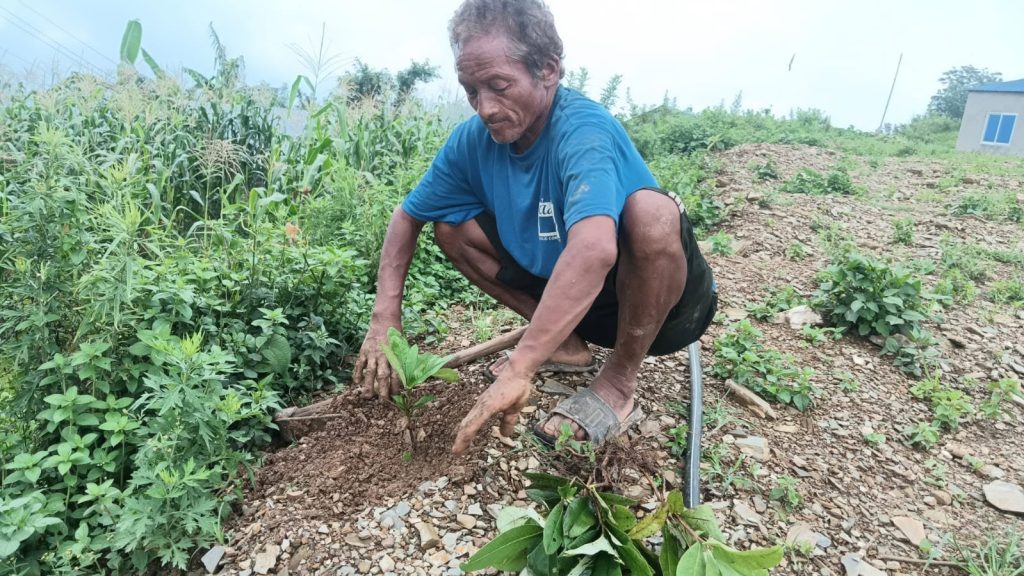
IIAD supports community-led reforestation initiatives in Chepang territories to restore degraded forests, strengthen biodiversity, and enhance the livelihoods and cultural resilience of Indigenous communities. Working closely with local communities, women, youth, and traditional knowledge holders, the project promotes the planting and conservation of native and culturally significant tree species—such as Chiuri (Diploknema butyracea)—that provide food, medicine, income, and habitat for wildlife while reinforcing the deep spiritual and cultural connections between the Chepang people and their ancestral forests. Through Indigenous knowledge, sustainable land management practices, and community stewardship, the initiative contributes to ecosystem restoration, climate resilience, watershed protection, and the revitalization of Indigenous biocultural heritage for future generations.

SOLAR MILL INSTALLATION AT CHEPANG VILLAGE

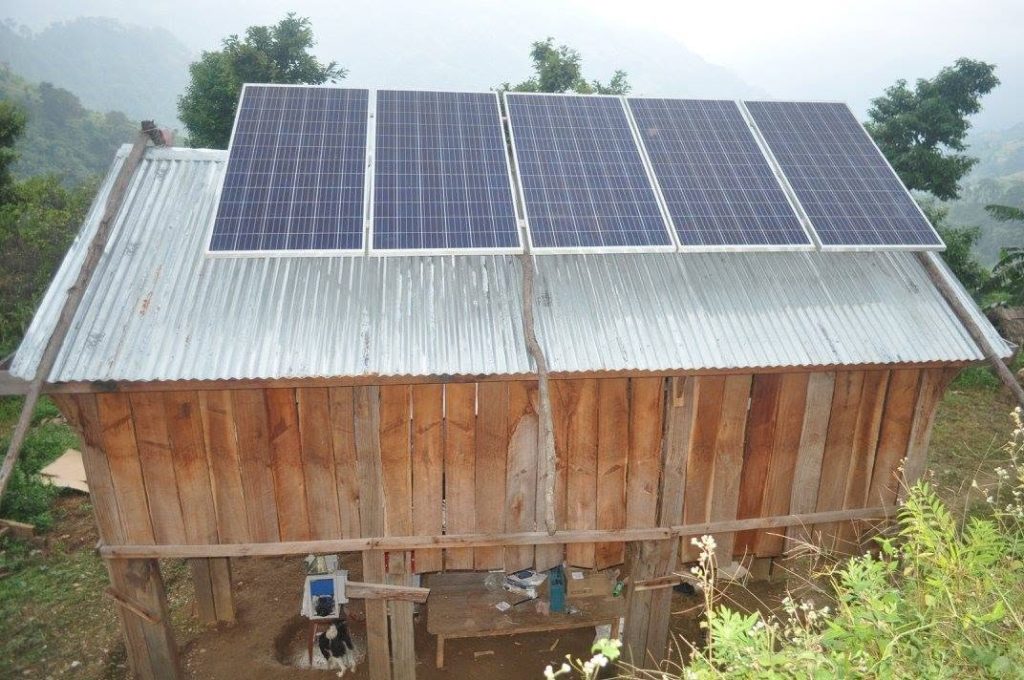
Gham Power completed the installation of Nepal’s first mill operated by solar power in Jimling, a Chepang village located in Chitwan. The ultimate goal is to utilise solar power for productive end use, which directly translates into a revenue stream from the very first da​y of operation.

TRAINING ON CLIMATE CHANGE AND ITS INTERSECTIONAL IMPACTS

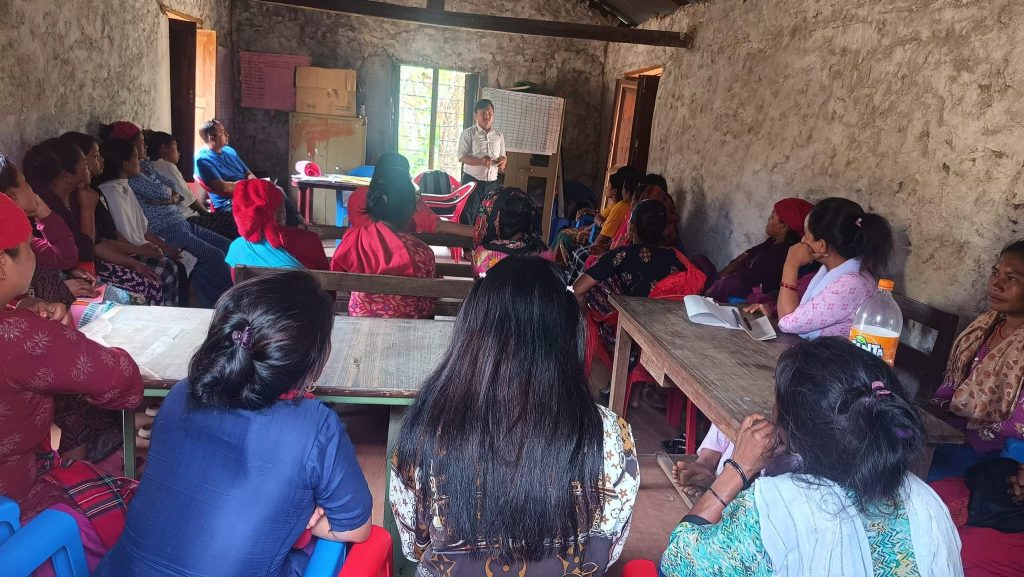
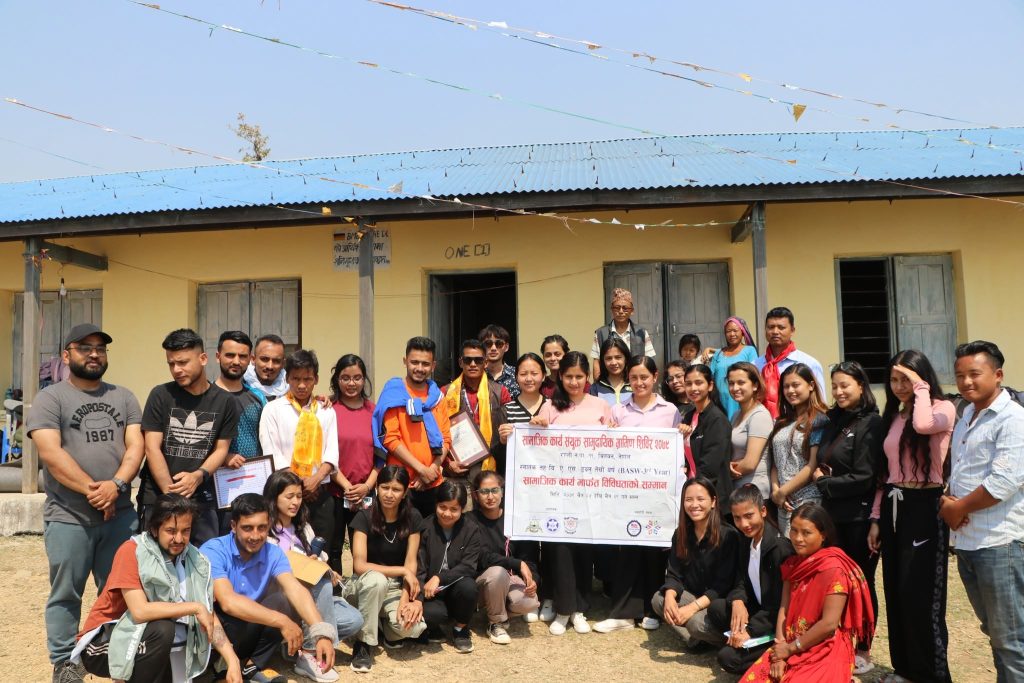
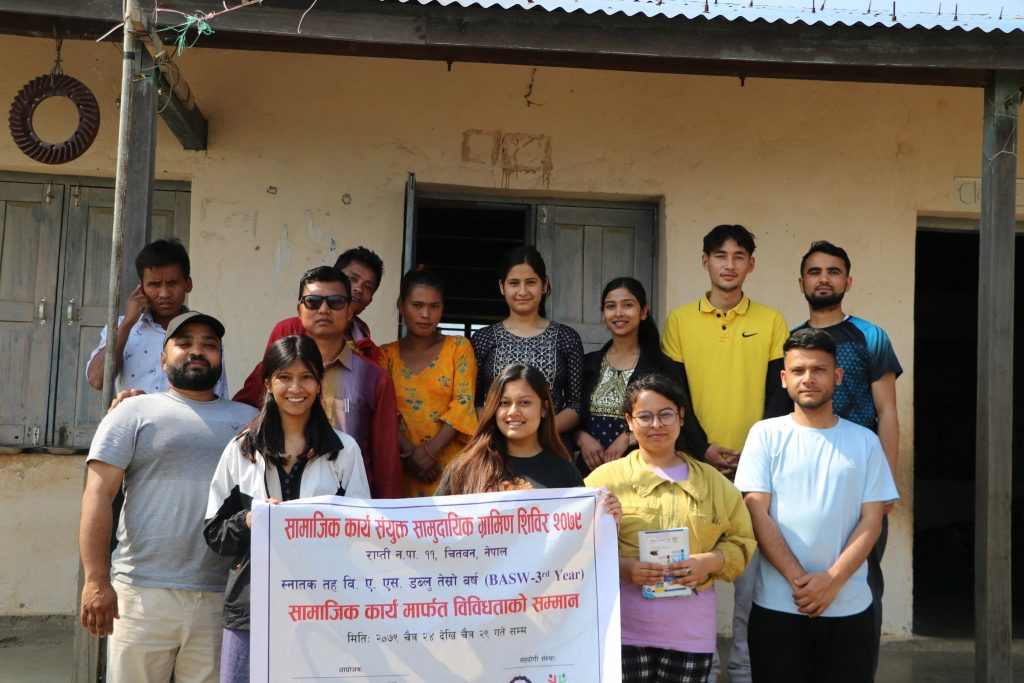
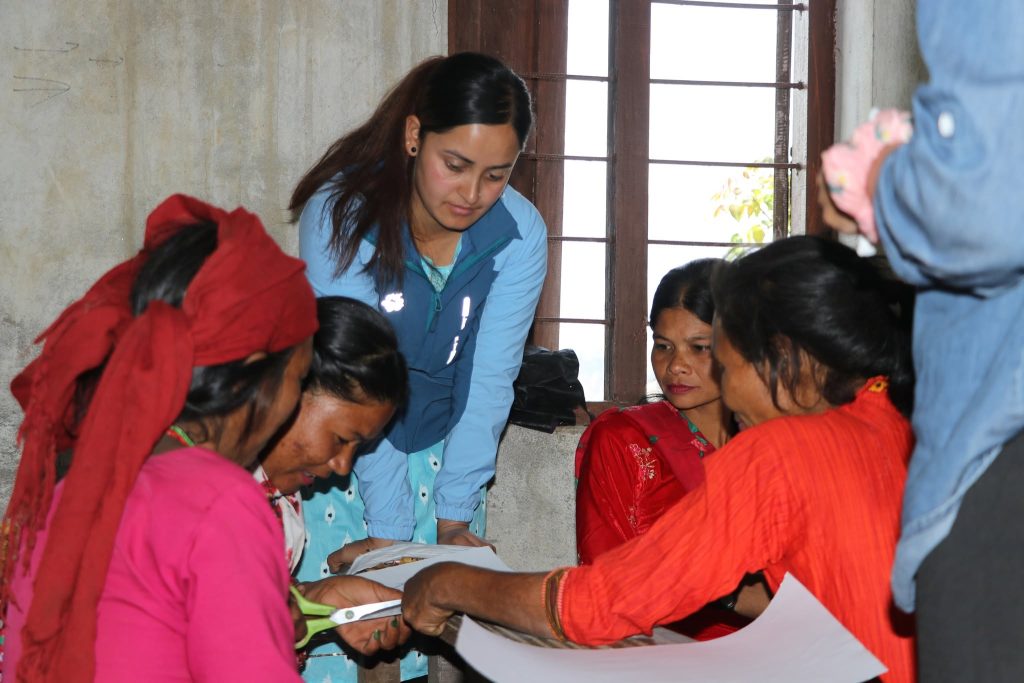
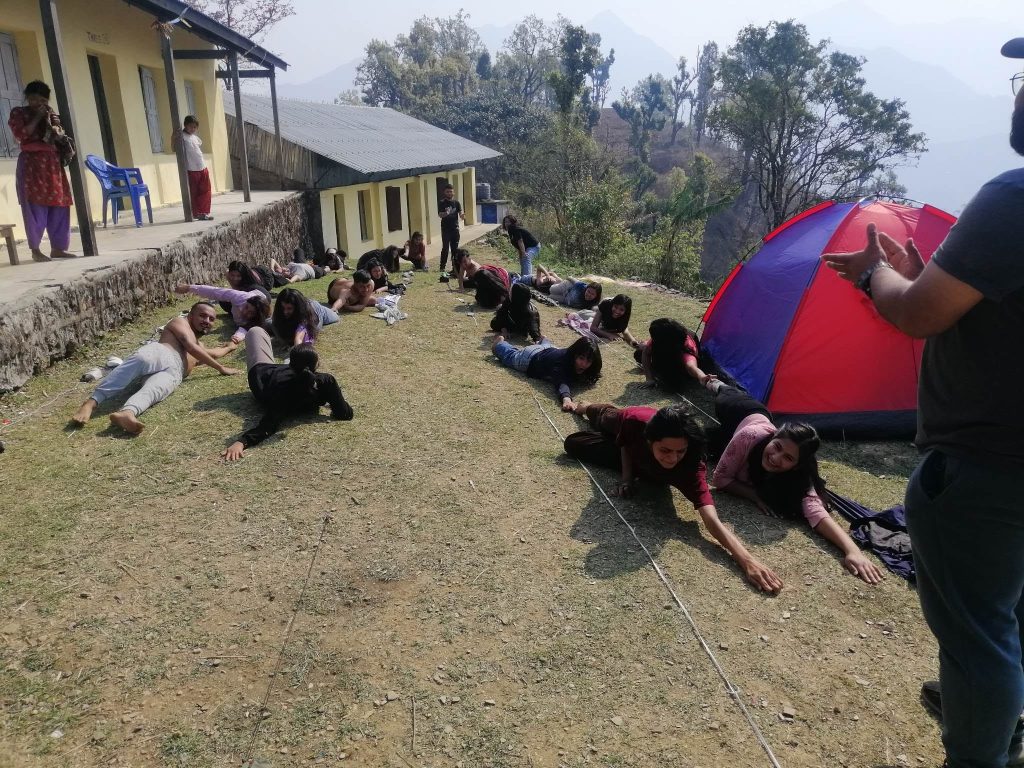
The training aims to deepen understanding of how climate change uniquely affects Chepang Indigenous community along with sensitising on the rights of Indigenous communities under national and international frameworks and to strengthen recognition of Indigenous knowledge as essential for effective climate adaptation and environmental stewardship.

Our Projects and Services

Developing Indigenous Peoples Safeguards Compliance in development projects

IIAD ensures that projects ensures full respect for indigenous peoples’ identity, dignity, human rights, livelihood systems, and cultural uniqueness as defined by the indigenous peoples themselves.

Free, Prior, and Informed Consent (FPIC) curriculum development, training and implementation

IIAD will facilitate in conducting Free, Prior, and Informed Consent (FPIC). FPIC is a fundamental principle in the context of projects that may affect Indigenous peoples, local communities, or any other marginalized groups.

Indigenous Research

IIAD fosters Indigenous research by centering Indigenous ways of knowing, being, and learning in its academic initiatives. Our platform aims to foster understanding of historical contexts, recognize the importance of Indigenous rights and self-determination, and prioritize meaningful engagement with Indigenous peoples

Community-Based Monitoring and Information Systems (CBMIS)

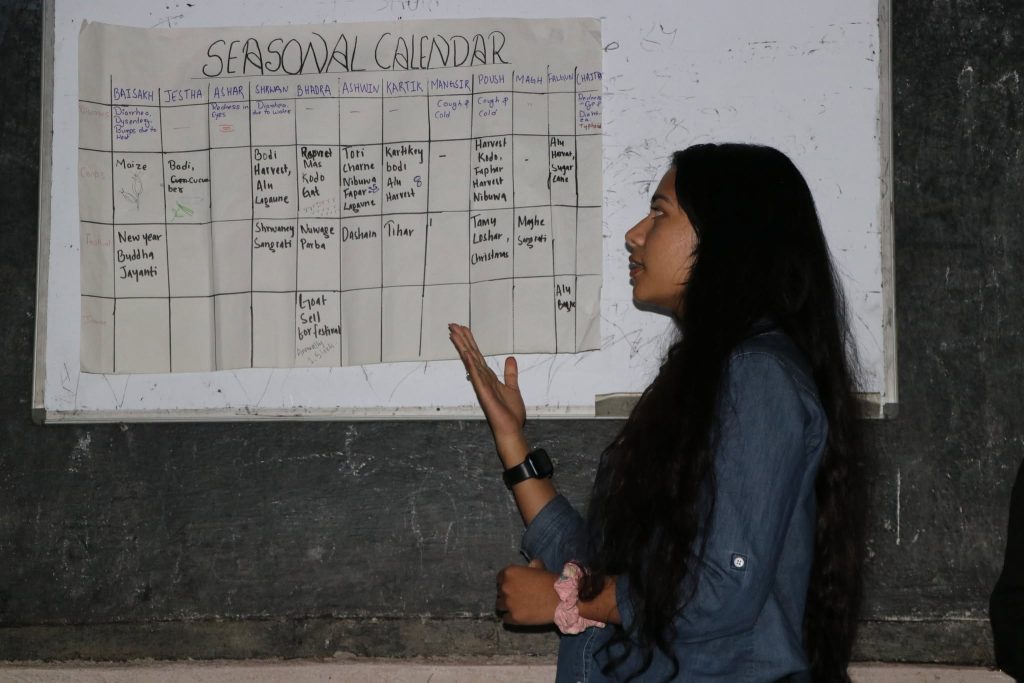
Community-Based Monitoring and Information Systems (CBMIS) is a process where indigenous peoples are able to generate information for the analysis, monitoring, and use of the community. It is a part of Participatory Action Research that is geared towards community organizing and, ultimately, to community empowerment and the realization of indigenous peoples’ sustainable, self-determined development (IPSSDD).

ONE CHILD- ONE SPONSOR

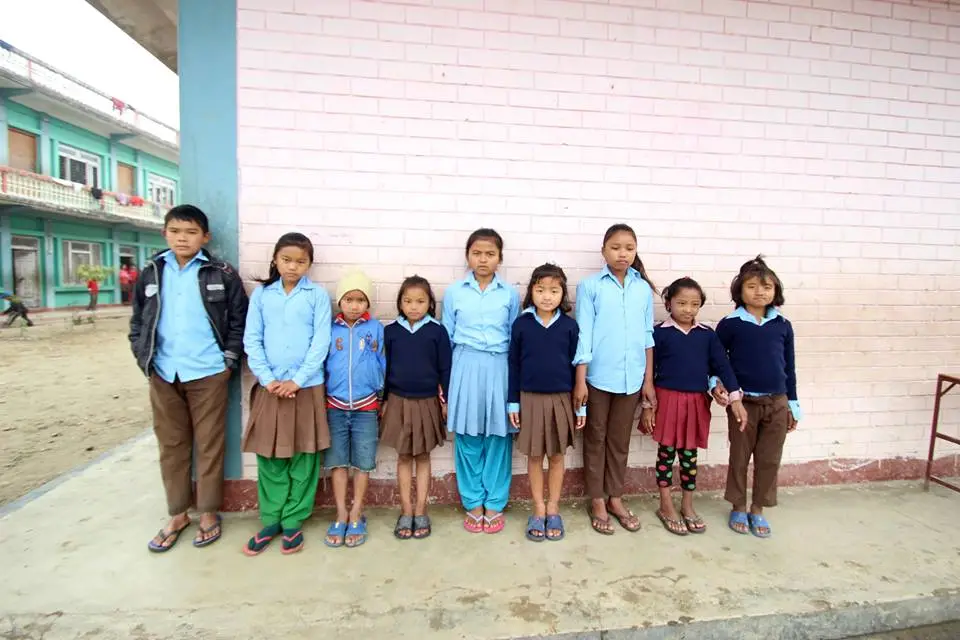
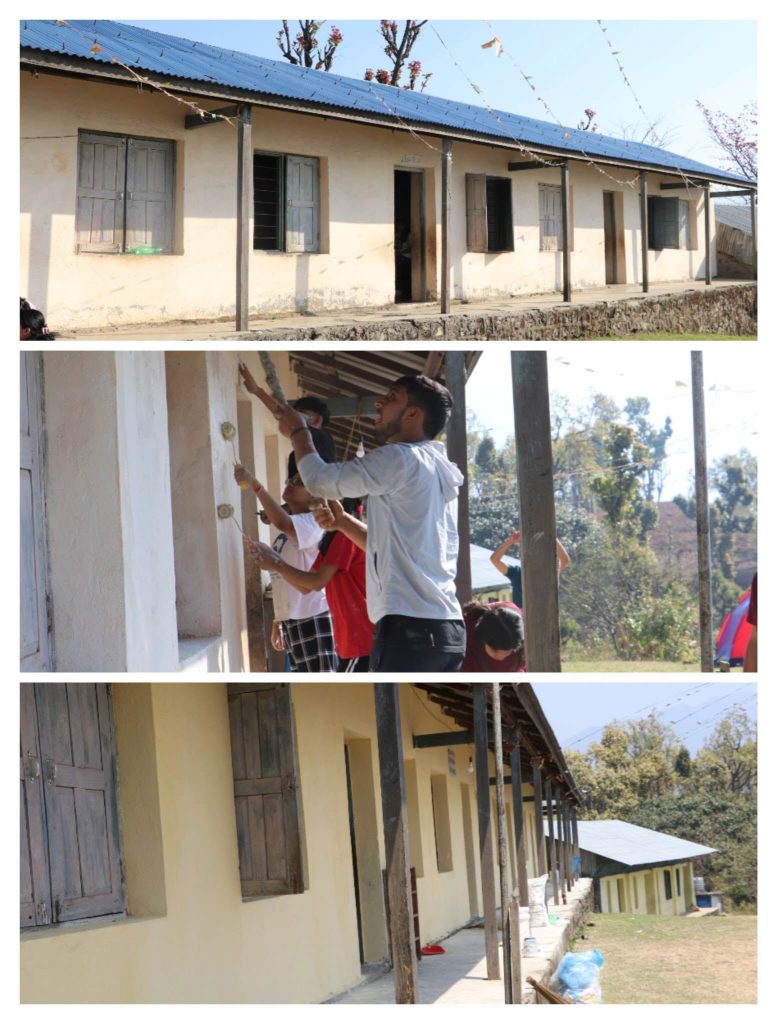
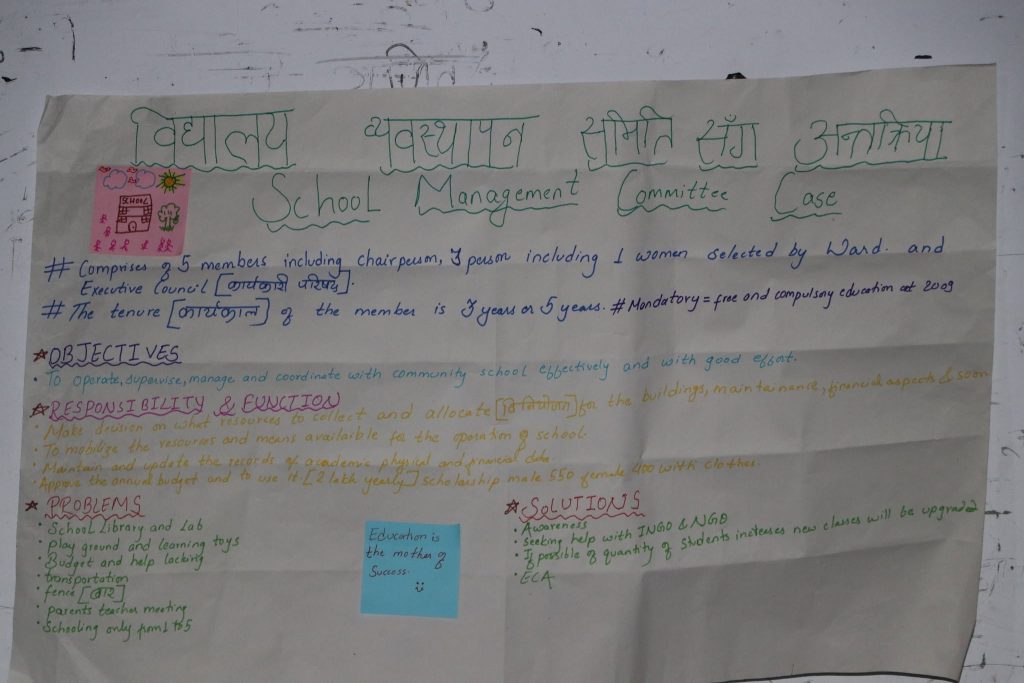
The immediate cause of vulnerability for Chepangs is their lack of education. The remoteness of Chepang settlements is regarded as one of the main reasons behind these low literacy rates. Most Chepang villages have only a primary school and students need to travel 1 to 2 hours every day, usually over sloped and difficult terrain, to attend secondary level schools. Due to a lack of financial means, few Chepang students can afford to stay in hostels closer to educational facilities. Even though secondary education is officially free in government schools, basic costs such as stationaries, dress, and other costs comes attached with it. 

One Chepang Child Sponsorship Program will help our Chepang Children to continue their education after grade 5 in Shree Antyodaya JanajatiAwasiya Vidhyalaya. This will help them to get educated and aware of the social, political and general rights that every citizen should get being Nepali in Nepal.

Document Chepang Shamans Knowledge

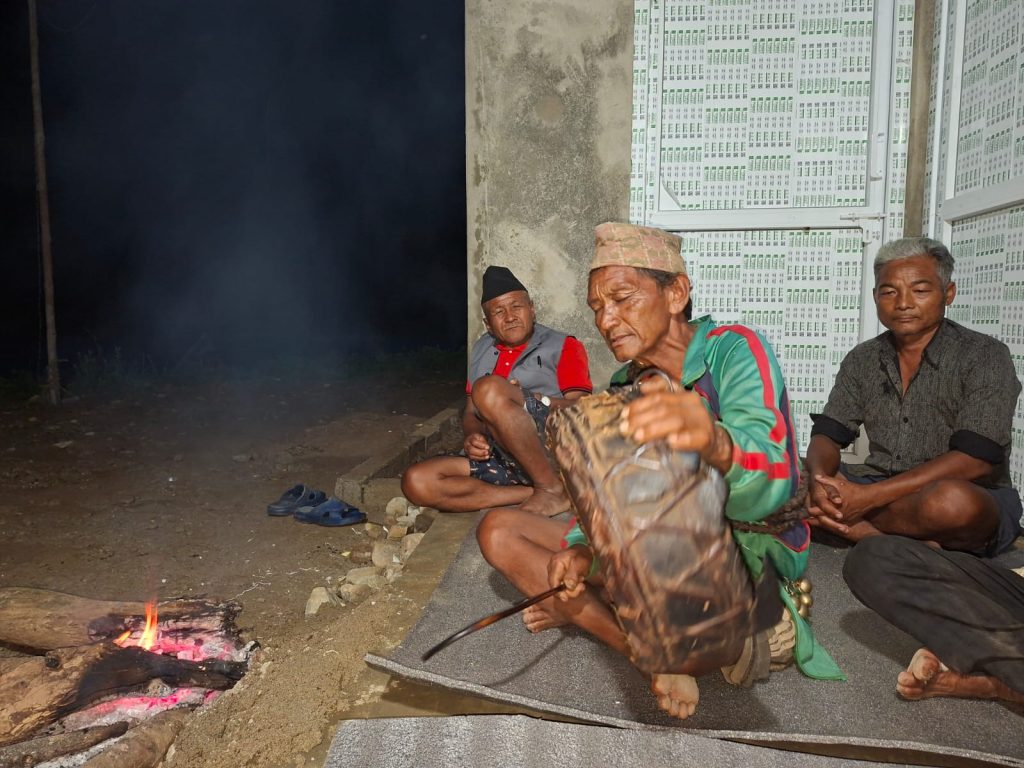
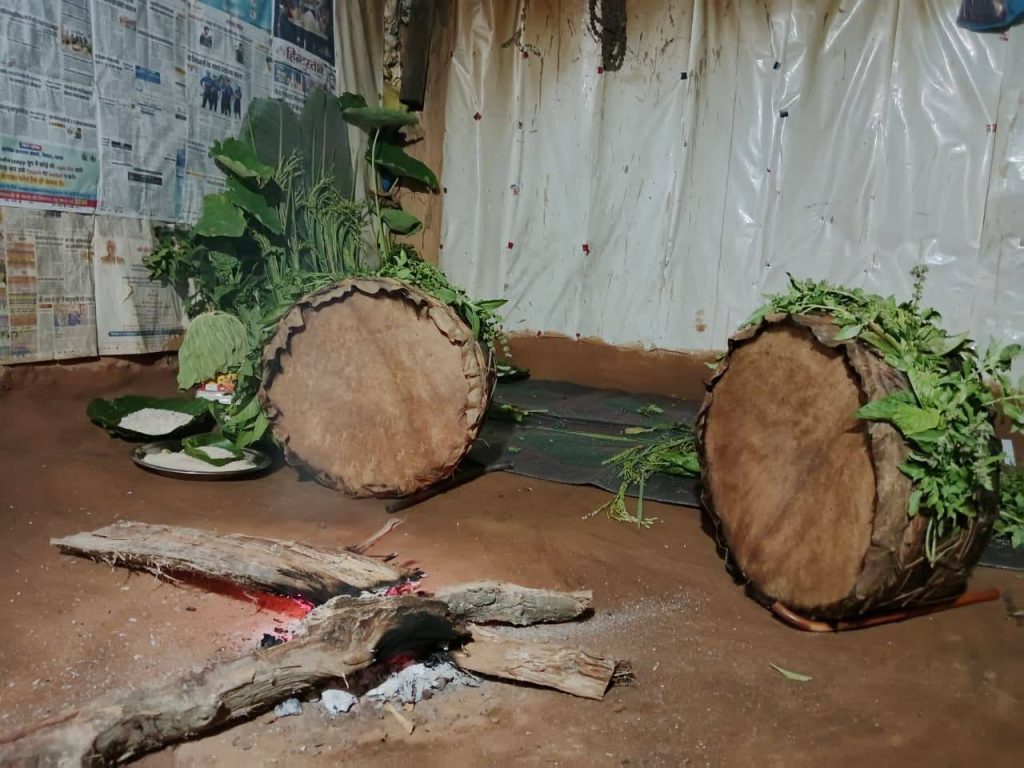
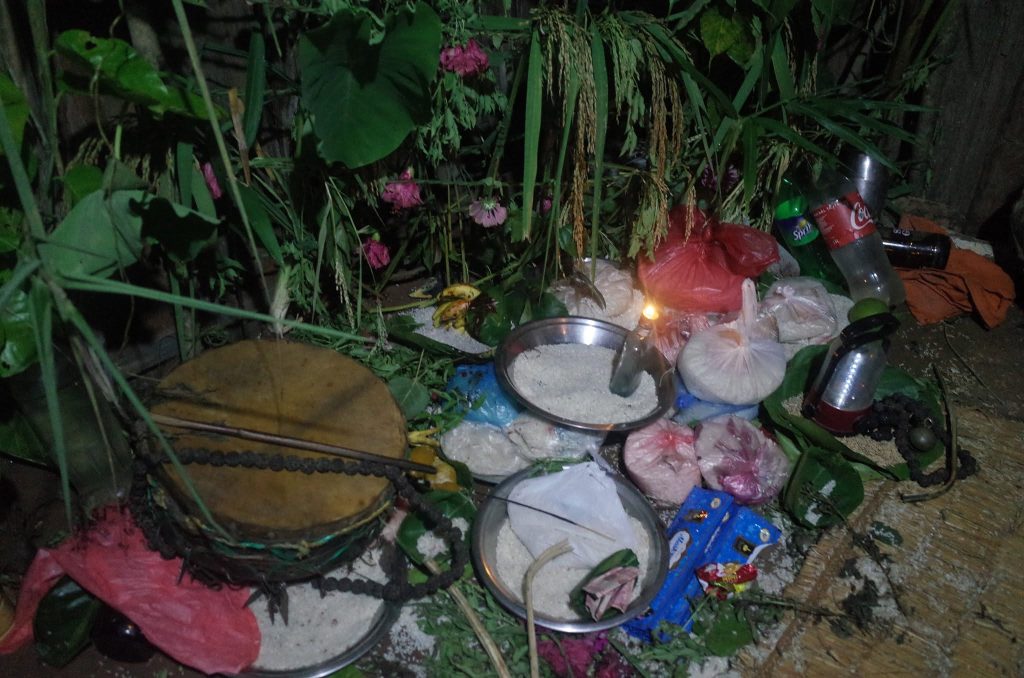
Documenting the knowledge of Chepang shamans is essential for safeguarding an irreplaceable body of Indigenous knowledge that embodies centuries of ecological observation, spiritual philosophy, customary governance, traditional healing, and cultural memory. Chepang shamans serve as custodians of oral traditions, transmitting knowledge of medicinal plants, seasonal indicators, wildlife behavior, sacred landscapes, rituals, and the reciprocal relationships between humans and nature that underpin community well-being and environmental stewardship. As this knowledge is primarily transmitted orally and is increasingly threatened by cultural assimilation, environmental change, and the declining number of traditional knowledge holders, community-led documentation has become both an urgent cultural priority and a matter of Indigenous rights. IIAD supports the ethical documentation of shamanic knowledge through participatory and culturally appropriate approaches that uphold Free, Prior and Informed Consent (FPIC), respect customary laws and cultural protocols, protect Indigenous intellectual property rights, and recognize that decisions regarding what knowledge may be documented, shared, or remain confidential belong exclusively to the Chepang community and its traditional knowledge holders.

Keep Updated

Newsletter

Institute for Indigenous Affairs and Development (IIAD)

Contact Info

Copyright © 2025. All rights reserved.                                                                                                                                                      Designed by Bizej