Institute for Indigenous Affairs and Development
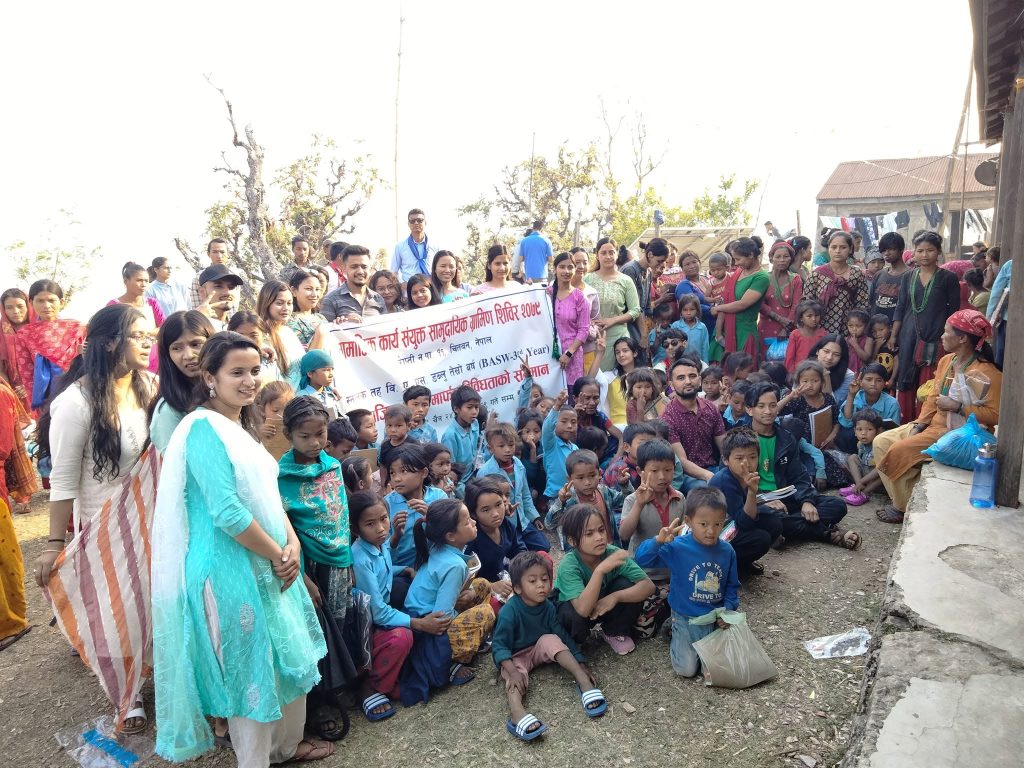
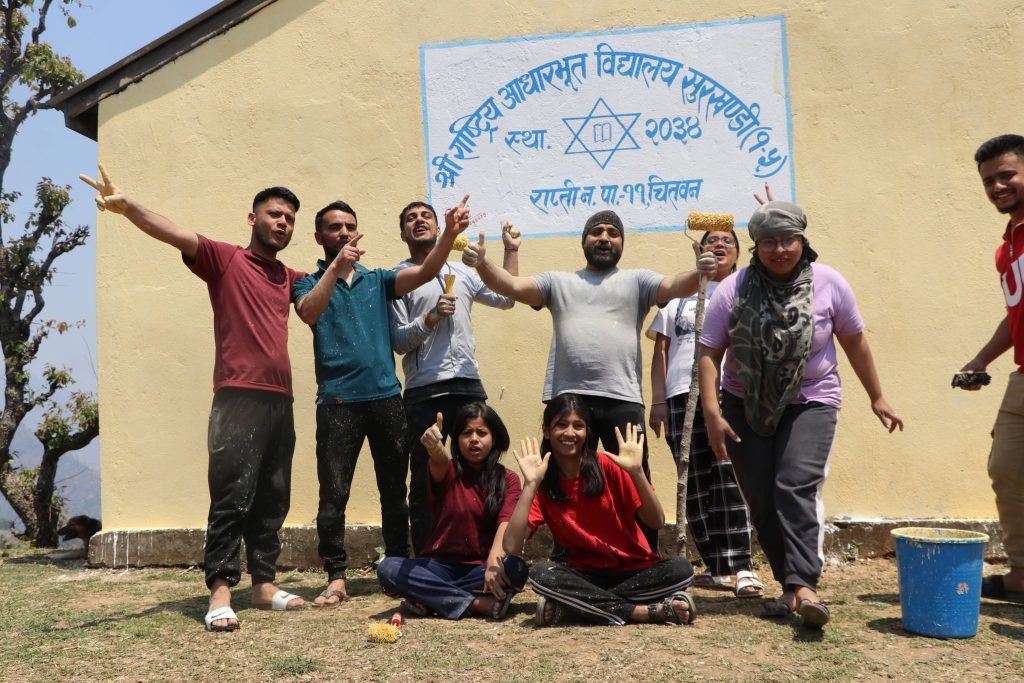
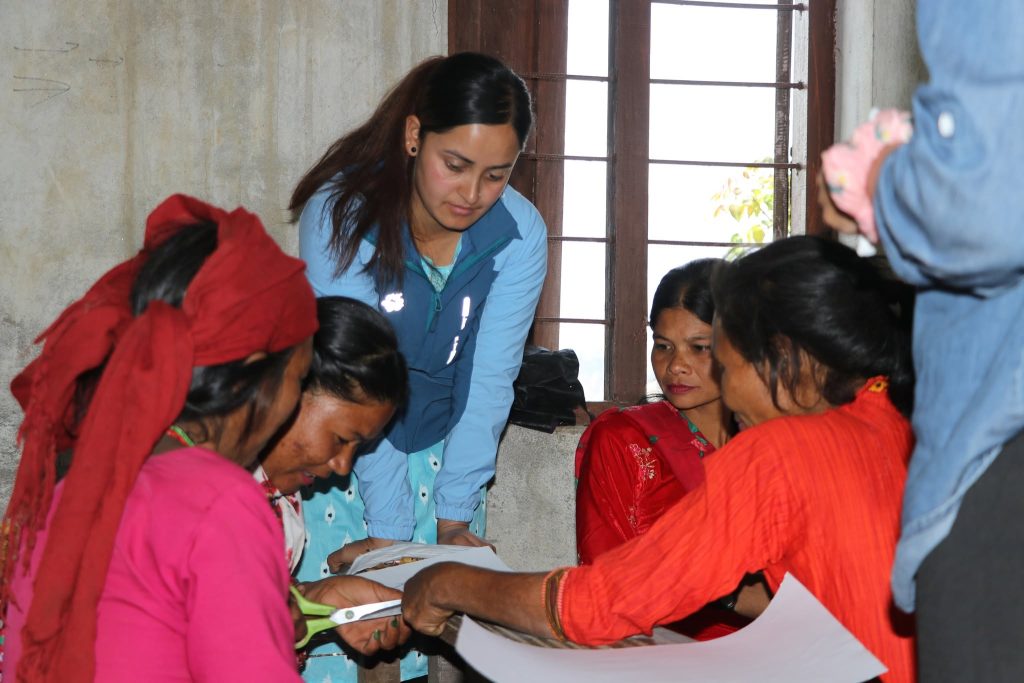
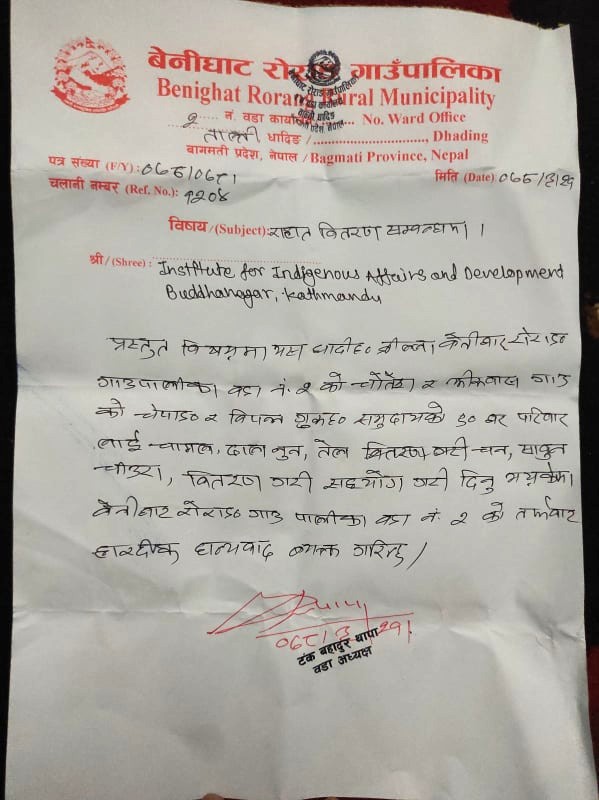
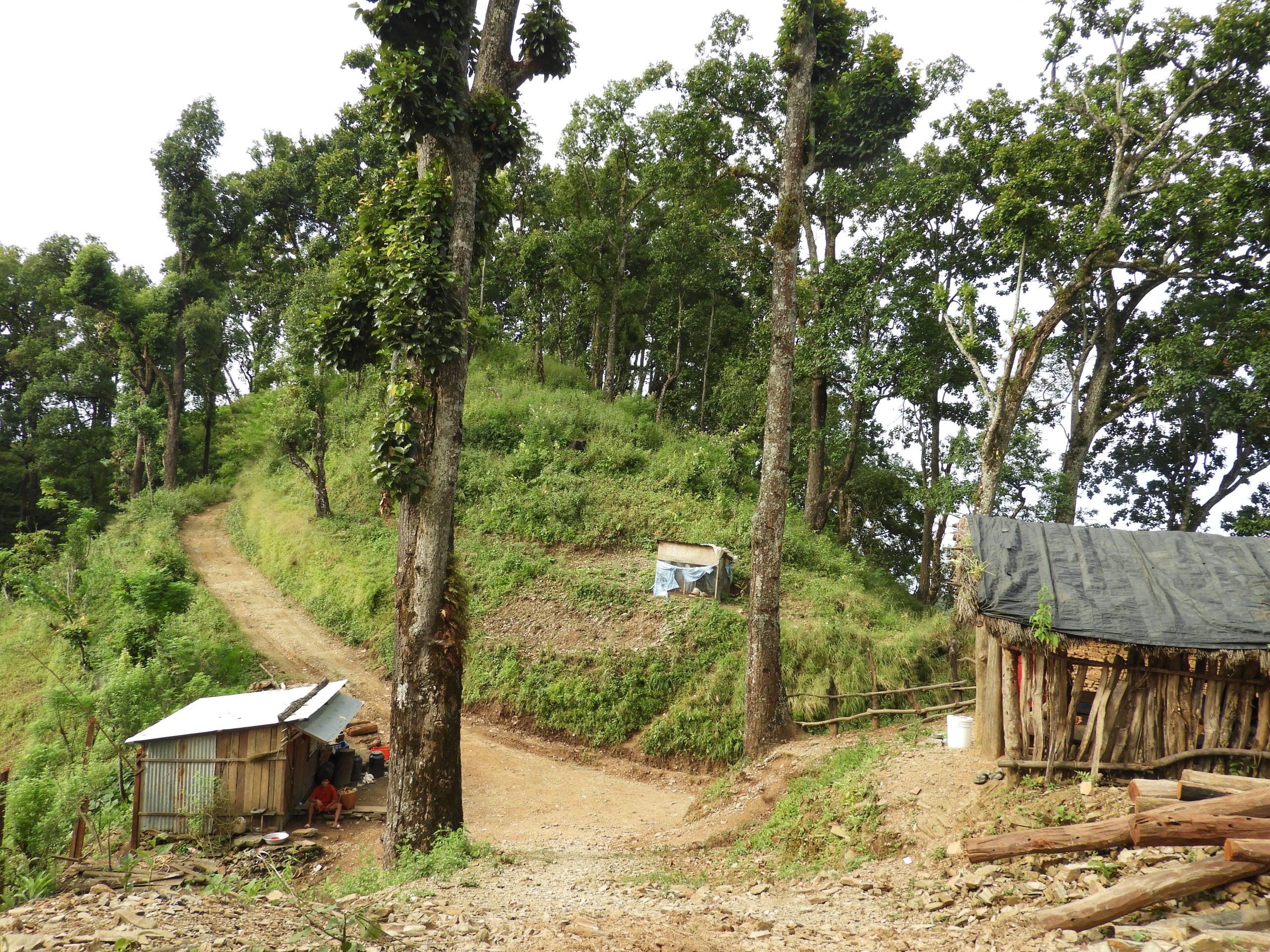
One of our earliest grassroots efforts began from 2012, which we called it as Self-Sustaining Campaign (आत्मा निर्भर अभियान). It was initiated to address the persistent poverty and marginalization faced by the Chepang community.
This campaign began with a simple, yet impactful solution: poultry farming. As a low-cost, high-impact livelihood option, poultry farming offered Chepang families a fast and reliable source of income, helping to meet basic needs while promoting economic independence. What started as a small pilot project soon gained traction, as more families began to see tangible benefits.
The philosophy driving this initiative is rooted in the idea:
“Don’t give people fish—teach them how to fish.” Rather than providing one-time aid, we focus on equipping communities with the knowledge, tools, and skills needed to build sustainable livelihoods.
While many organizations aim to improve living standards, few focus on the foundational elements of self-reliance and education—areas we see as essential for long-term transformation. Our work with the Chepang community revealed a deeper need: not just for resources, but for opportunities that restore dignity, agency, and hope.
Today, this campaign is a proud initiative under IIAD, forming part of our broader mission to uplift Indigenous communities through sustainable development, cultural preservation, and grassroots empowerment.
At IIAD, our work grows from Indigenous worldviews where land, culture, and community are inseparable, and development is defined by the people themselves. Guided by the right to self-determination, we move forward through interconnected priorities grounded in lived realities and ancestral knowledge.
Our work includes rigorous research and policy analysis on Indigenous issues, with a strong emphasis on youth-led Indigenous research. We offer accessible online training courses and certifications to build capacity and empower Indigenous leaders and advocates. We support the development and implementation of Indigenous Peoples Safeguards Compliance and deliver comprehensive Free, Prior, and Informed Consent (FPIC) curriculum and processes.
We nurture Indigenous food systems, livelihoods, and local economies that are regenerative, culturally rooted, and sustaining so communities can thrive with dignity, autonomy, and balance. Through our Indigenous Knowledge Centre, we sustain a living space where languages, stories, seeds, and cultural practices are not only preserved, but practiced, renewed, and carried forward across generations.
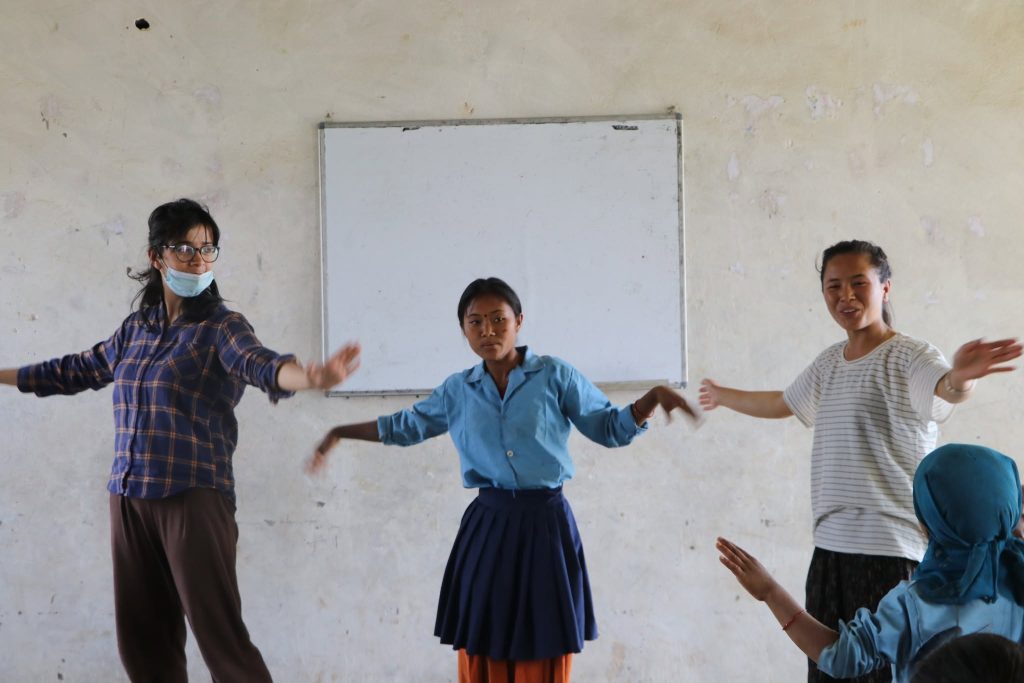
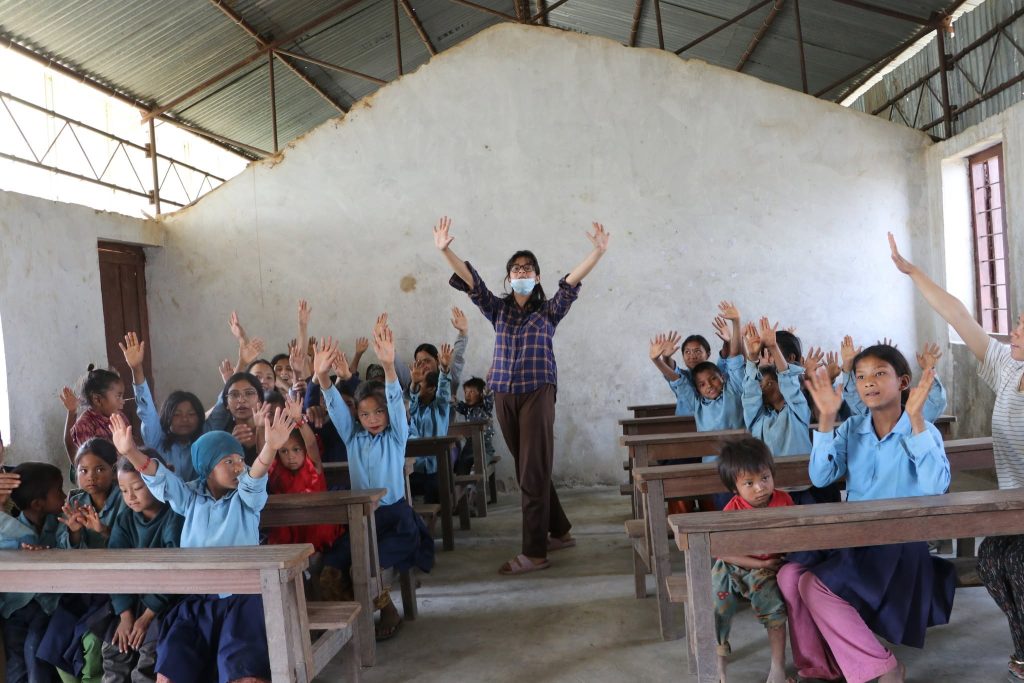
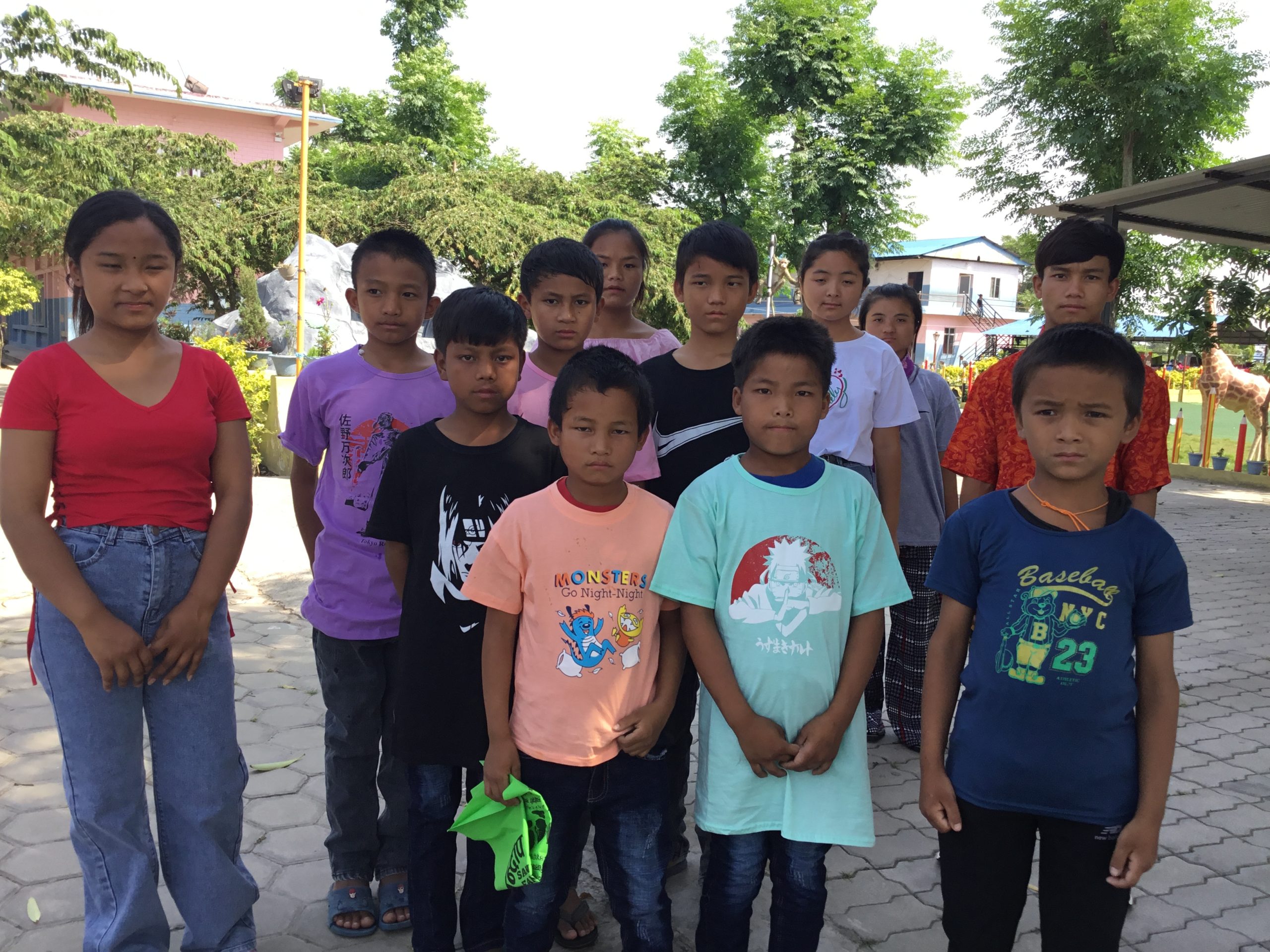
Dedicated to supporting the education and well-being of children from the Chepang community, this program provides access to quality education, essential supplies, and opportunities for personal development.
We identify and support local villagers to establish their enterprises, creating subsistence marketplaces through social entrepreneurship and startups, leading communities towards sustainability.
We facilitate the FPIC process, ensuring that Indigenous communities have the right to give or withhold consent to projects that may affect them or their territories.
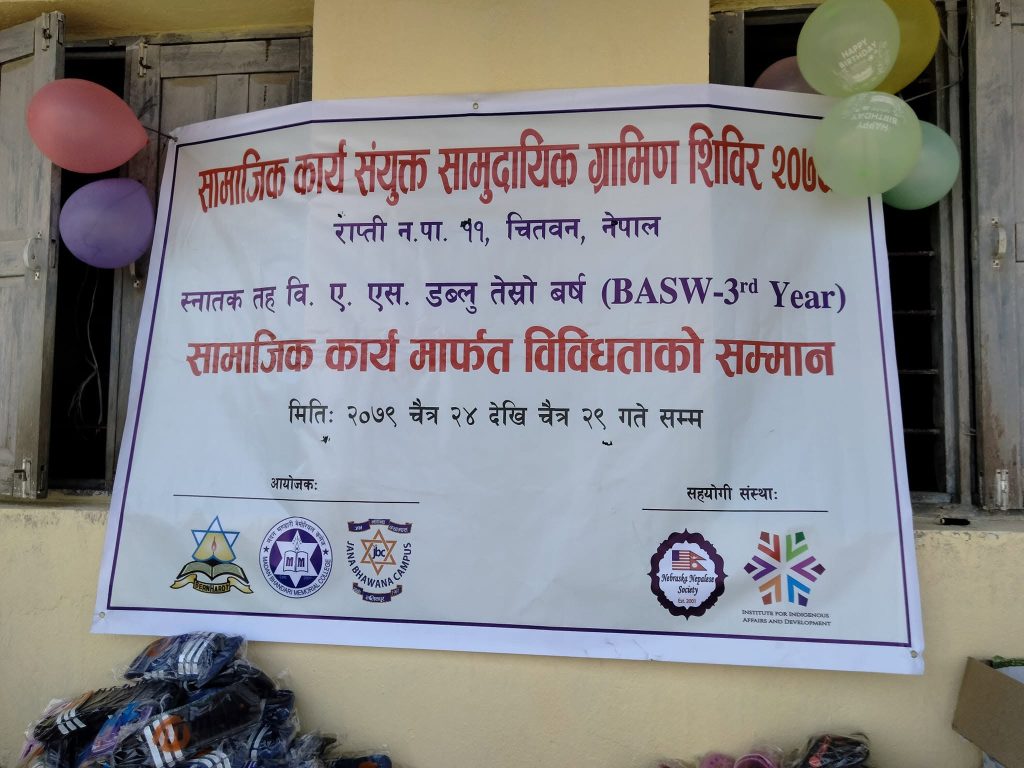
Through community development, education, and research, IIAD supports cultural preservation and self-determination.


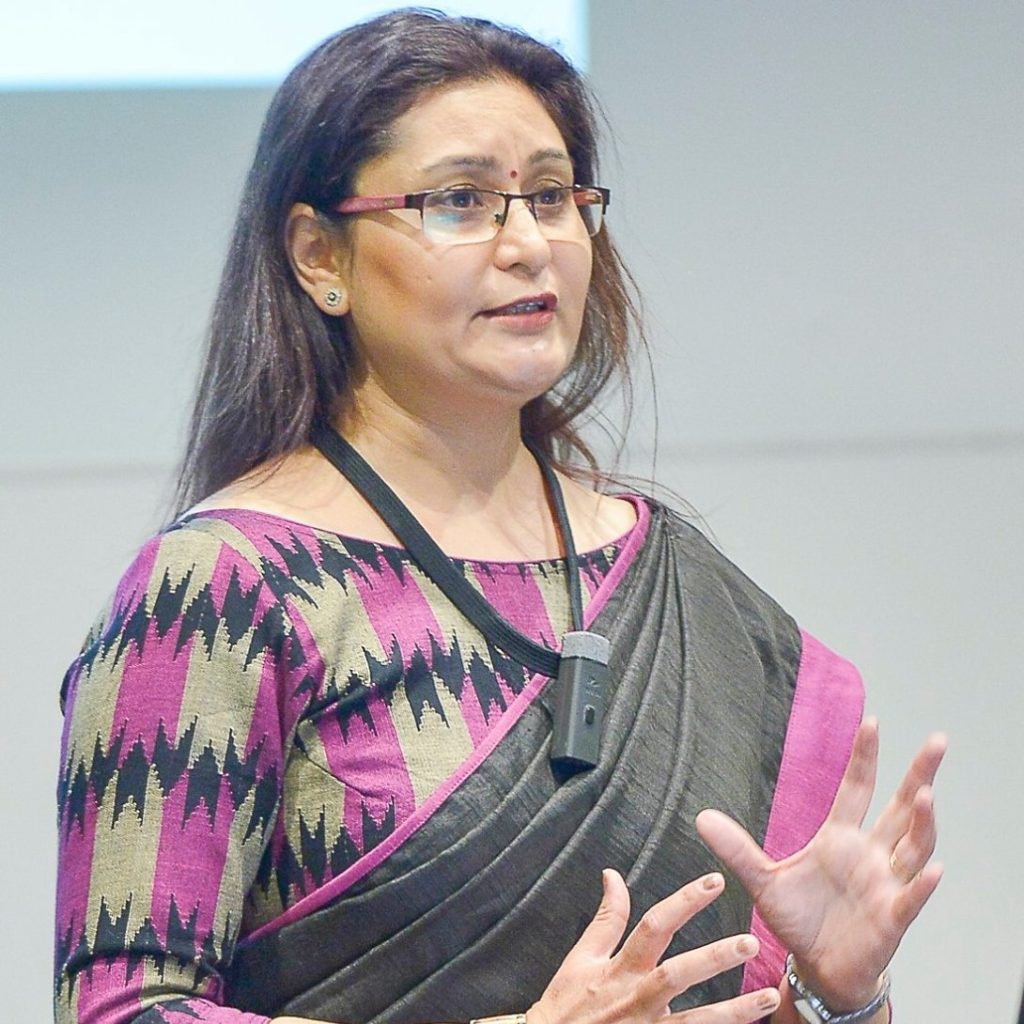
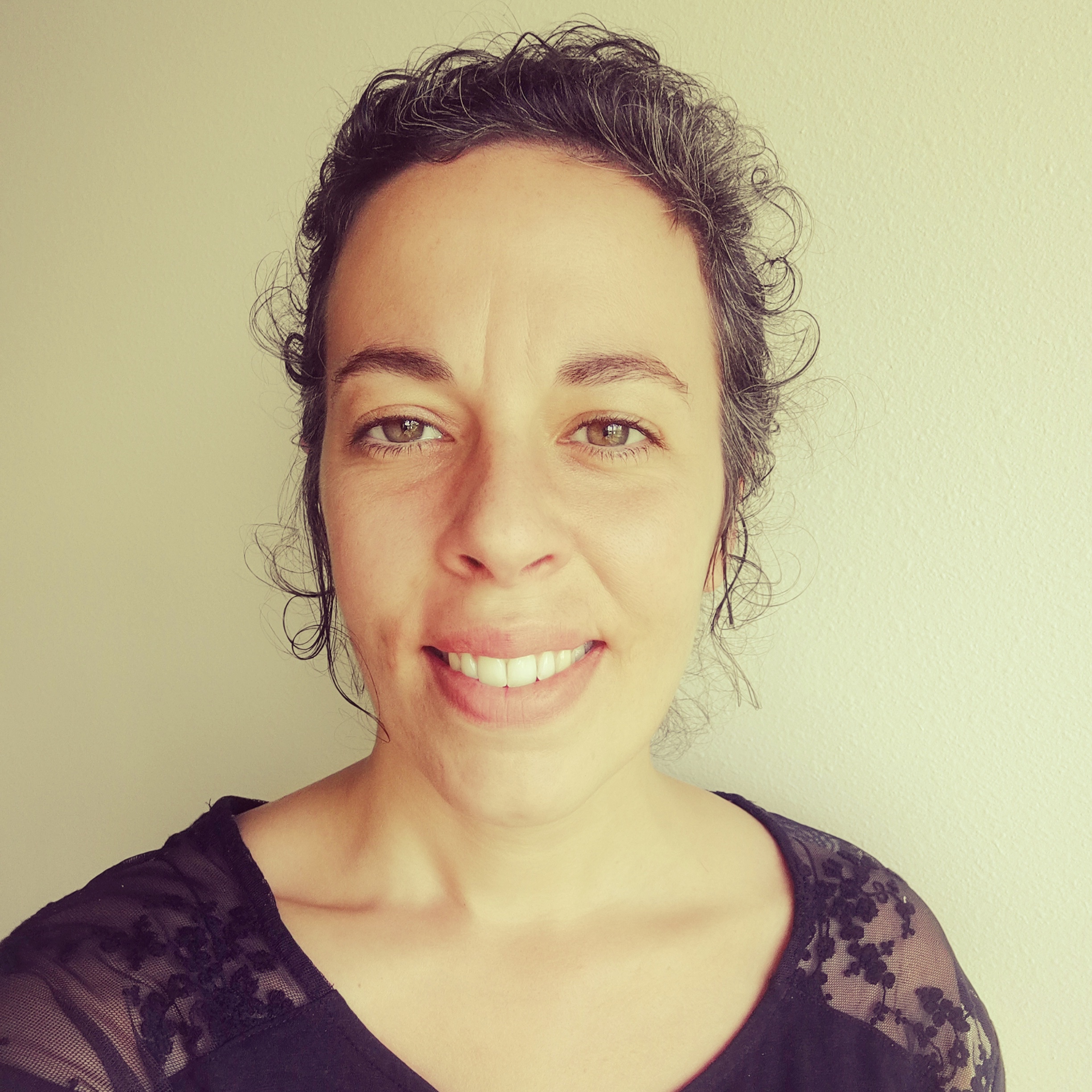
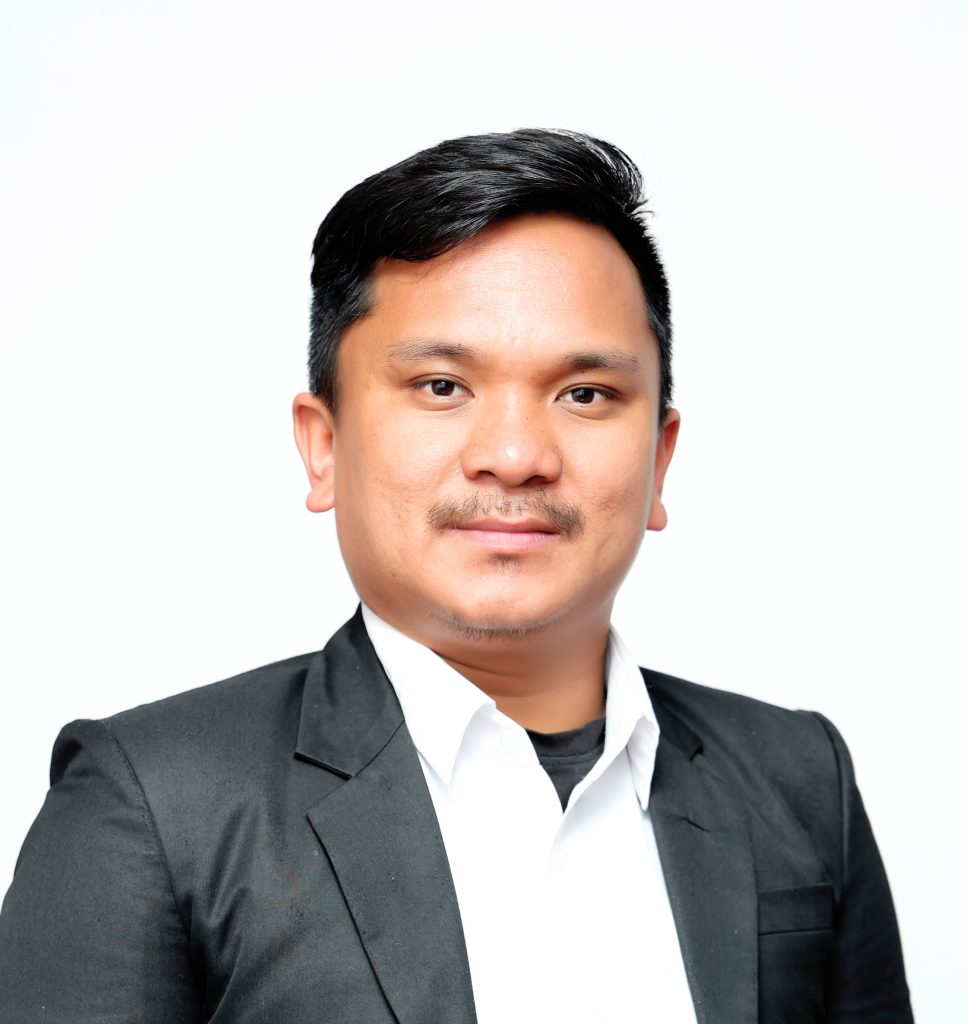
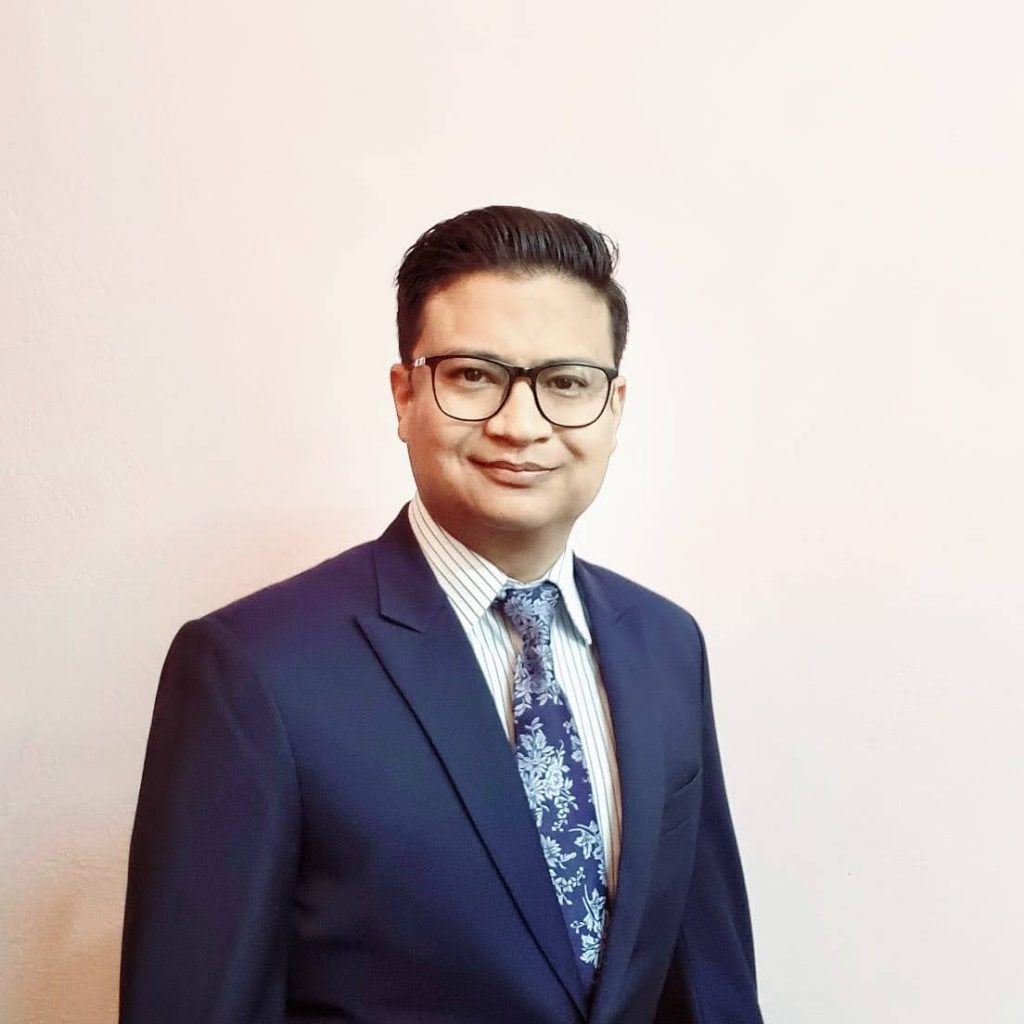
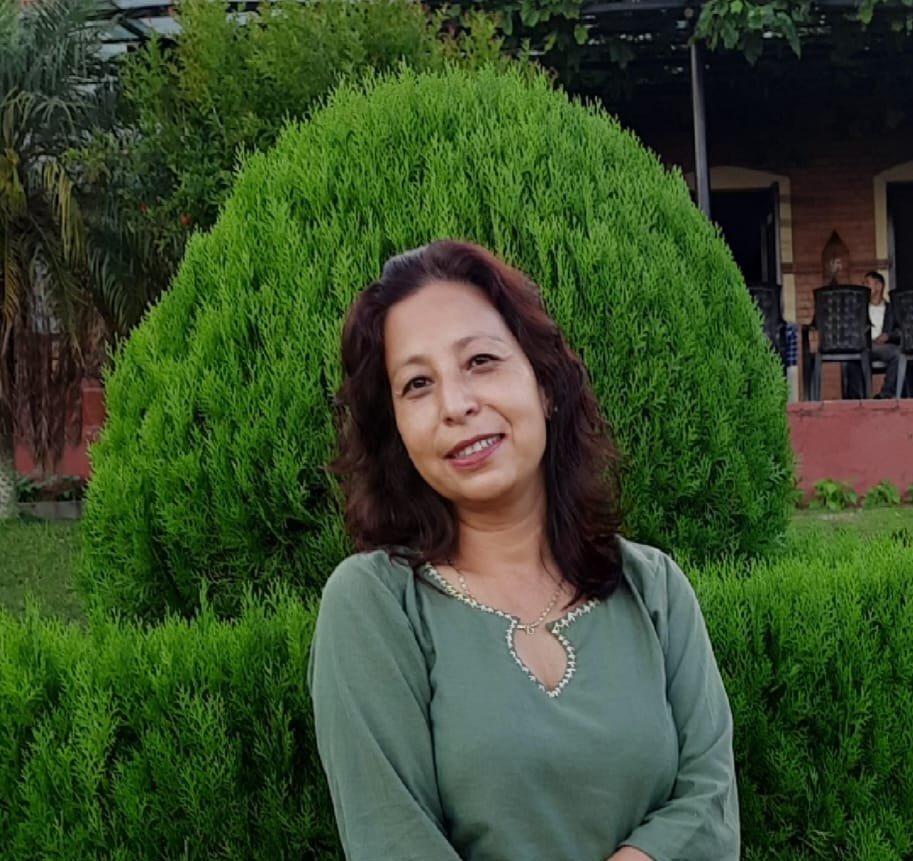
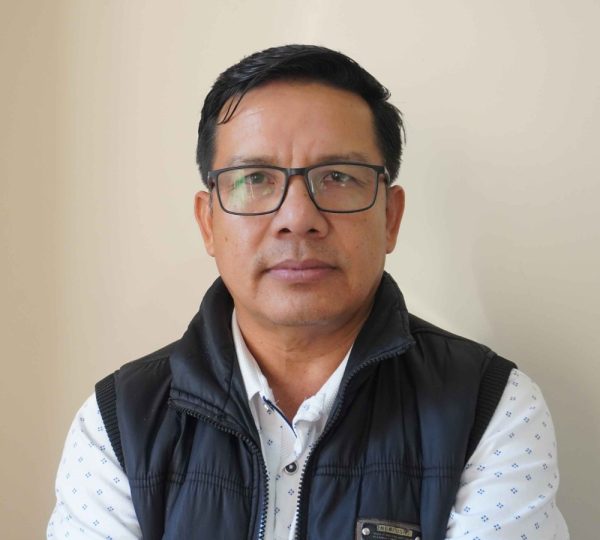
Meet the guiding minds behind our mission.
Our Board of Directors brings together passionate individuals with deep expertise in Indigenous rights, education, policy advocacy, and sustainable development. With a shared commitment to equity and inclusion, they provide strategic direction, ensure transparency, and uphold the values that shape our work across Nepal.
Each member contributes their unique experience and leadership to drive impact, empower communities, and create lasting change.
Leading with vision, grounded in community.
Our Executive Committee is composed of dedicated leaders who oversee the day-to-day operations, ensure program effectiveness, and uphold the organizational mission. With deep ties to Indigenous communities and a commitment to social justice, each member plays a key role in decision-making, coordination, and strategic implementation.
Together, they ensure that our programs remain community-driven, transparent, and impactful—guiding our work toward sustainable and inclusive development.
Newsletter